by | Sep 10, 2026 | Uncategorised
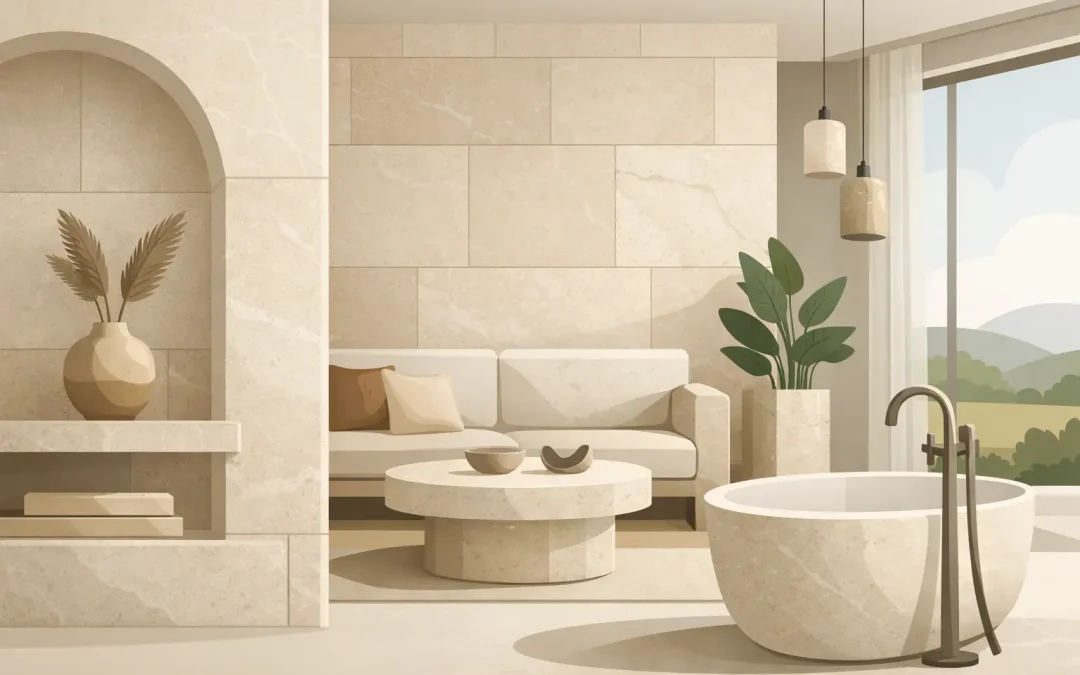
A limestone floor changes character as daylight moves across it. It can appear pale and quietly uniform in the morning, then reveal fossil detail, shell markings and a softened texture by afternoon. That living surface is precisely why architects and interior...

by | Sep 8, 2026 | Uncategorised
A façade can establish a building’s character long before its plan is understood. This is why choose Portland limestone is a question worth asking early: it is not merely a pale cladding material, but an iconic British limestone with the depth, provenance and workable...
by | Sep 6, 2026 | Uncategorised
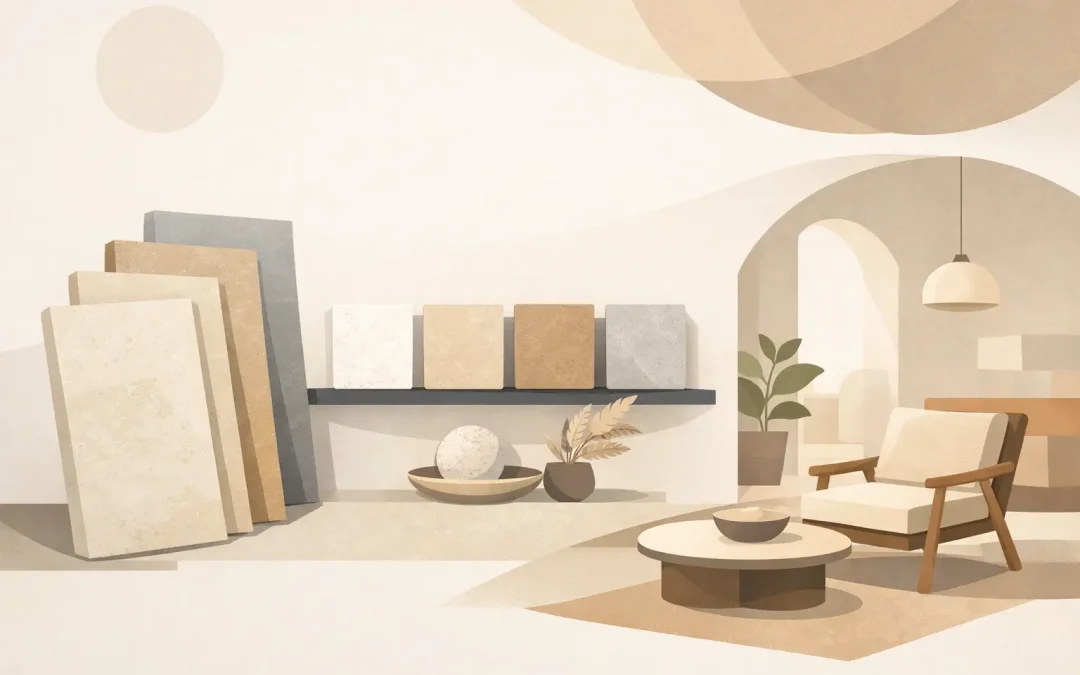
A limestone floor may occupy more visual area than the furniture placed upon it. In a double-height entry, a kitchen or a hospitality lobby, its colour establishes the project’s underlying temperature before joinery, textiles or art are introduced. Choosing the best...
by | Sep 4, 2026 | Uncategorised
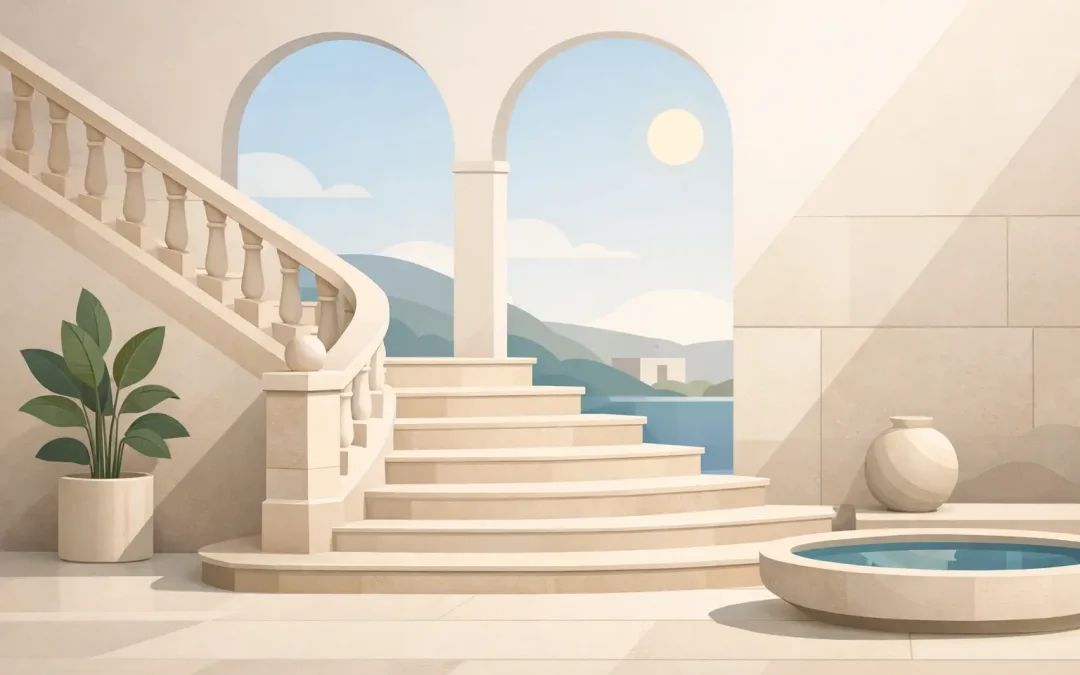
A staircase is often the first architectural gesture experienced at close range. It carries the eye between levels, receives constant touch and movement, and can either disappear into the background or establish the character of the entire interior. A considered...

by | Sep 2, 2026 | Uncategorised
A stone sample can look persuasive under studio lighting, then behave very differently once it meets salt air, rainwater, pool splash, foot traffic and the hard Australian sun. That is why limestone versus sandstone is not simply a question of colour preference. It is...

Recent Comments